
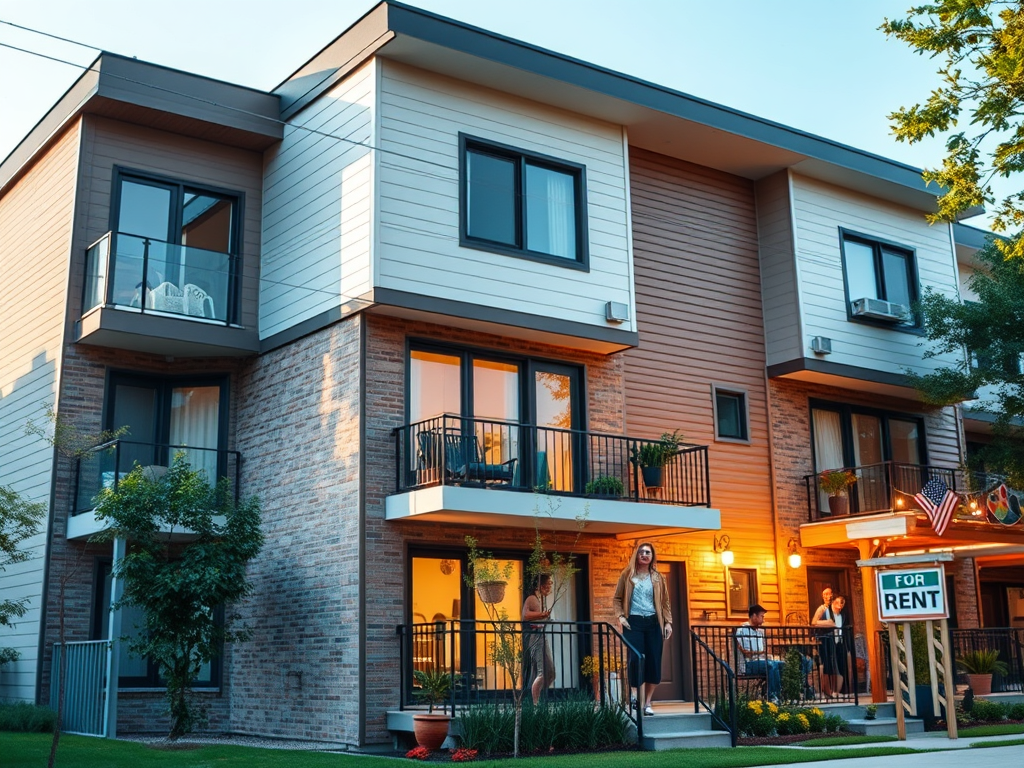
Real estate has created more millionaires than any other asset class in history. But in 2026, with mortgage rates still elevated and home prices at record highs, is buying rental property still a path to wealth—or a financial trap?
The short answer: real estate investing absolutely still works, but the strategies that worked in 2020 don’t work today. The rules have changed, and investors who adapt will thrive while those clinging to old playbooks will struggle.
The Current State of Real Estate in 2026
Let’s start with the facts on the ground:
| Metric | 2021 (Peak Mania) | 2026 (Current) |
|---|---|---|
| 30-Year Mortgage Rate | 2.65% | 6.2–6.8% |
| Median Home Price (U.S.) | $346,900 | $412,000 |
| Average Rent (1BR) | $1,100 | $1,450 |
| Inventory (Months of Supply) | 1.6 months | 3.8 months |
| Cap Rate (Avg Rental) | 4.2% | 5.5–7.0% |
Higher rates have compressed returns for over-leveraged investors, but rising rents and increasing inventory are actually creating better buying opportunities for patient, cash-ready investors.
Strategy 1: House Hacking (Best for Beginners)
House hacking remains the single most powerful real estate strategy for beginners. The concept is simple: buy a multi-unit property, live in one unit, and rent out the others.
Why It Works in 2026
- Low down payment: FHA loans require just 3.5% down for owner-occupied multi-family (up to 4 units)
- Rental income offsets mortgage: Tenants in other units can cover 60–100% of your mortgage
- Tax advantages: Deduct mortgage interest, property taxes, insurance, repairs, and depreciation on rental portion
- Appreciation: Your property builds equity while someone else pays the mortgage
Real Example
| Numbers | |
|---|---|
| Purchase Price (Duplex) | $350,000 |
| Down Payment (3.5% FHA) | $12,250 |
| Monthly Mortgage + Insurance | $2,800 |
| Rental Income (Unit 2) | $1,600 |
| Your Effective Housing Cost | $1,200/month |
| Comparable Apartment Rent | $1,800/month |
| Monthly Savings vs. Renting | $600 + equity building |
Strategy 2: The BRRRR Method
BRRRR stands for Buy, Rehab, Rent, Refinance, Repeat. It’s the strategy that allows investors to recycle their capital and build a portfolio rapidly.
How It Works
- Buy a distressed property below market value (foreclosure, probate, off-market deal)
- Rehab with strategic renovations that maximize value (kitchens, bathrooms, flooring)
- Rent at market rates to qualified tenants
- Refinance based on the new, higher appraised value—pull out most of your initial investment
- Repeat using the refinanced cash for the next property
2026 Reality Check
BRRRR is harder in 2026 because higher refinance rates mean you may not pull out 100% of your initial investment. Aim for 75–80% cash-out refinance, and accept that you’ll leave some money in each deal. The strategy still works—it just requires more capital reserves than the zero-money-in deals of 2020–2021.
Strategy 3: REITs (Real Estate Without the Hassle)
Not ready to be a landlord? Real Estate Investment Trusts (REITs) let you invest in real estate through the stock market with as little as $50.
Best REIT Options for 2026
| REIT Type | What It Invests In | Avg Dividend Yield |
|---|---|---|
| Residential REITs | Apartment buildings | 3.5–4.5% |
| Industrial REITs | Warehouses, logistics | 2.5–3.5% |
| Healthcare REITs | Hospitals, senior living | 4.0–6.0% |
| Data Center REITs | Cloud computing facilities | 2.0–3.0% |
| REIT Index Fund (VNQ) | All of the above | 3.5–4.0% |
The simplest approach: buy VNQ (Vanguard Real Estate ETF) and own a slice of the entire U.S. real estate market. No tenants, no maintenance calls, no plumbing emergencies at 2 AM.
The Numbers That Matter: How to Analyze a Rental Property
Before buying any rental property, you need to run these calculations:
1. Cash-on-Cash Return
Formula: Annual Pre-Tax Cash Flow ÷ Total Cash Invested
Target: 8–12% in 2026. Below 6% and you’re better off in index funds (less hassle, similar returns).
2. The 1% Rule (Quick Filter)
Monthly rent should be at least 1% of the purchase price. A $300,000 property should rent for $3,000+/month. In 2026, this is hard to find in major metros—focus on secondary and tertiary markets.
3. Cap Rate
Formula: Net Operating Income ÷ Property Value
Target: 6–8% for residential rentals in 2026. Anything below 5% is overpriced for the current rate environment.
4. The 50% Rule (Expense Estimate)
Assume 50% of gross rent goes to expenses (taxes, insurance, maintenance, vacancy, management). If monthly rent is $2,000, plan for $1,000 in expenses before mortgage. This prevents the #1 beginner mistake: underestimating costs.
5 Markets to Watch in 2026
The best real estate deals aren’t in NYC or San Francisco. Look where jobs are moving and population is growing:
- Huntsville, Alabama — NASA, defense contractors, tech growth. Median home: $280K.
- Columbus, Ohio — Intel chip factory, healthcare hub. Median home: $265K.
- Raleigh-Durham, NC — Research Triangle, massive tech hiring. Median home: $385K.
- San Antonio, Texas — Military bases, no state income tax, population boom. Median home: $275K.
- Boise, Idaho — Remote worker magnet, outdoor lifestyle appeal. Median home: $420K.
Common Beginner Mistakes to Avoid
- Buying in your own backyard without running the numbers. Emotional purchases are the worst investments.
- Underestimating repair costs. Always add 20% buffer to contractor quotes.
- Not screening tenants properly. One bad tenant can cost $5,000–$15,000 in damage and lost rent.
- Over-leveraging. Keep 6 months of mortgage payments in cash reserves for each property.
- Ignoring property management costs. Even if you self-manage, value your time at $50–$100/hour.
Frequently Asked Questions
Is real estate better than stocks?
Neither is universally better. Stocks offer liquidity and simplicity; real estate offers leverage, tax advantages, and cash flow. The best portfolios include both. Start with index funds, then add real estate once you have the capital and knowledge.
How much money do I need to start?
House hacking with FHA: as little as $15,000–$20,000 (3.5% down + closing costs on a $350K property). Traditional rental: $60,000–$80,000 (20% down). REITs: $50 minimum.
Should I wait for rates to drop?
“Date the rate, marry the house.” Buy when the numbers work and refinance when rates drop. Waiting means competing with every other buyer when rates eventually decrease—which drives prices up and negates the rate savings.
Is being a landlord worth it?
If you enjoy problem-solving and can handle occasional stress, landlording builds serious wealth. If you want passive income, hire a property manager (8–10% of rent) or invest in REITs instead.
Getting Started: Your Real Estate Action Plan
- Educate yourself — Read “The Book on Rental Property Investing” by Brandon Turner
- Get pre-approved for a mortgage to know your budget
- Analyze 100 deals before buying one (use the calculations above)
- Start with house hacking if you’re a beginner—lowest risk, highest learning
- Build cash reserves of at least 6 months of expenses before buying
Real estate investing isn’t a get-rich-quick scheme. It’s a get-rich-steadily strategy that rewards patience, research, and disciplined execution. The best time to buy was yesterday; the second best time is when the numbers work.
Disclaimer: This article is for educational purposes only and does not constitute financial or real estate advice. Real estate investments carry risk including potential loss of capital. Consult qualified professionals before making investment decisions.



Leave a Reply