
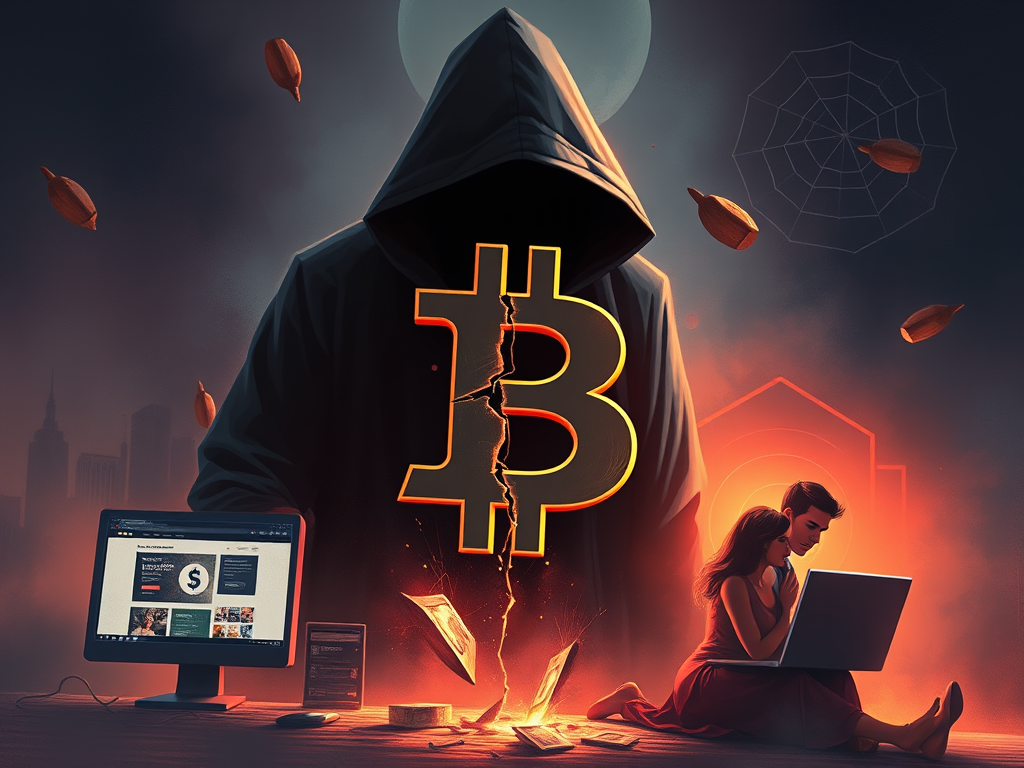
The cryptocurrency market is one of the most scam-infested spaces in finance. From rug pulls to fake exchanges to romance scams, billions of dollars are stolen from crypto investors every year. In 2023 alone, over $3.8 billion was lost to crypto fraud.
The good news? Most scams follow predictable patterns. Learning to identify them can save you from devastating losses.
The 7 Most Common Crypto Scams
1. Rug Pulls
Developers create a new token, hype it up on social media, attract investment, then drain all the liquidity and disappear. The token’s value goes to zero instantly. Warning signs: anonymous team, no audit, locked liquidity periods shorter than 6 months, unrealistic promises.
2. Fake Exchanges
Websites mimicking legitimate exchanges (slightly different URL) trick users into depositing funds. Once deposited, withdrawals are blocked. Prevention: Only use regulated exchanges. Bookmark the official URL. Never follow links from emails or DMs.
3. Pump and Dump Schemes
Coordinated groups buy a low-cap token, hype it in Telegram/Discord/Twitter, wait for retail investors to pile in driving the price up, then sell everything. Price crashes and latecomers lose everything.
4. Phishing Attacks
Fake emails, websites, or wallet pop-ups asking for your seed phrase or private keys. Rule: No legitimate service will EVER ask for your seed phrase. If someone asks for it, it’s a scam. Period.
5. Romance/Social Engineering Scams
Someone builds a relationship (often over weeks or months) then introduces a “guaranteed” crypto investment opportunity. Also called “pig butchering” scams. Average loss: $50,000+.
6. Fake Celebrity Endorsements
Deepfake videos of Elon Musk, Warren Buffett, or other celebrities promoting a crypto project. These are always fake. No billionaire is promoting a random token on YouTube.
7. Ponzi/High-Yield Scams
“Guaranteed” 1% daily returns (365% per year). These pay early investors with new investor money until the scheme collapses. If it sounds too good to be true, it always is.
Your 10-Point Security Checklist
- Use only regulated exchanges (Coinbase, Kraken, Gemini)
- Enable 2FA with an authenticator app (not SMS)
- Never share your seed phrase with anyone, ever
- Use a hardware wallet for holdings over $5,000
- Verify URLs manually — don’t click links from emails or DMs
- Be skeptical of guaranteed returns — nothing in crypto is guaranteed
- Research before investing — check the team, audit, and tokenomics
- Don’t FOMO into pumps — by the time you hear about it, you’re the exit liquidity
- Use separate email for crypto accounts
- Keep software updated — wallet apps, browser, and OS
What to Do If You’ve Been Scammed
- Report to the FTC (ftc.gov/complaint) and FBI’s IC3 (ic3.gov)
- Contact the exchange — they may be able to freeze funds
- Document everything — screenshots, transaction hashes, addresses
- Don’t hire “recovery services” — 95% of them are scams too
Frequently Asked Questions
Can stolen crypto be recovered?
Rarely. Blockchain transactions are irreversible. If funds were sent to a centralized exchange, law enforcement may be able to freeze them. But in most cases, the money is gone.
Is DeFi safe?
DeFi protocols have additional risks including smart contract vulnerabilities, oracle manipulation, and governance attacks. Only use audited protocols with significant TVL (Total Value Locked) and track records.
🚀 Take Control of Your Finances with Richify
Keep your crypto organized and secure. Use Richify’s Portfolio View to track your crypto holdings alongside all your other assets in one secure dashboard.
📱 Download the Richify app to monitor your entire financial portfolio securely.
Disclaimer: This article is for educational purposes only. Always do your own research before investing in cryptocurrency.




Leave a Reply